Aswan

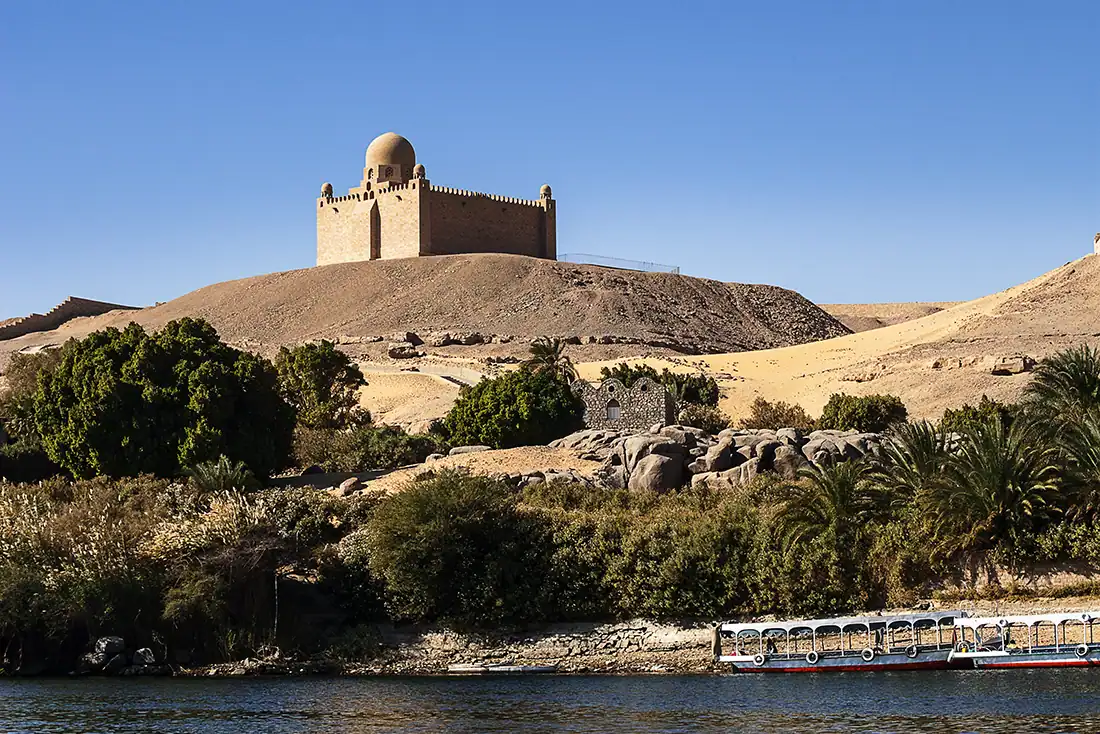
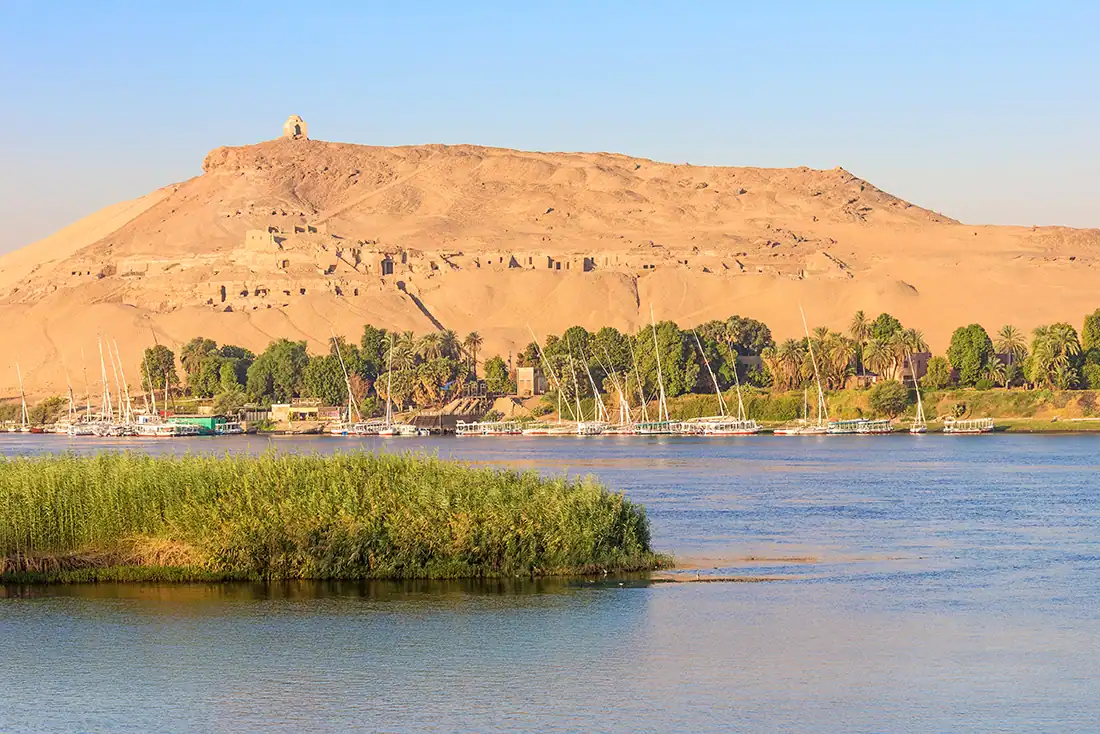
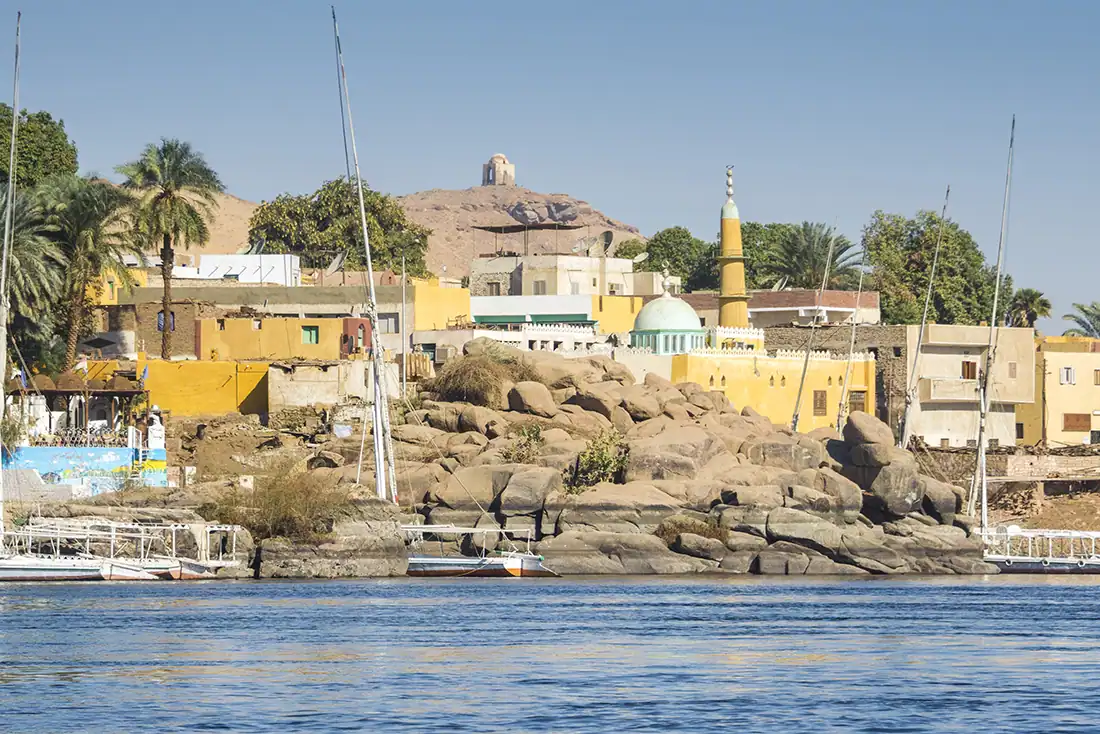
Aswan, the largest city in Southern Egypt, sits on the east bank of the Nile River. Its location has continued to play a significant role in water transportation and the movement of goods in and out of Egypt since ancient times.
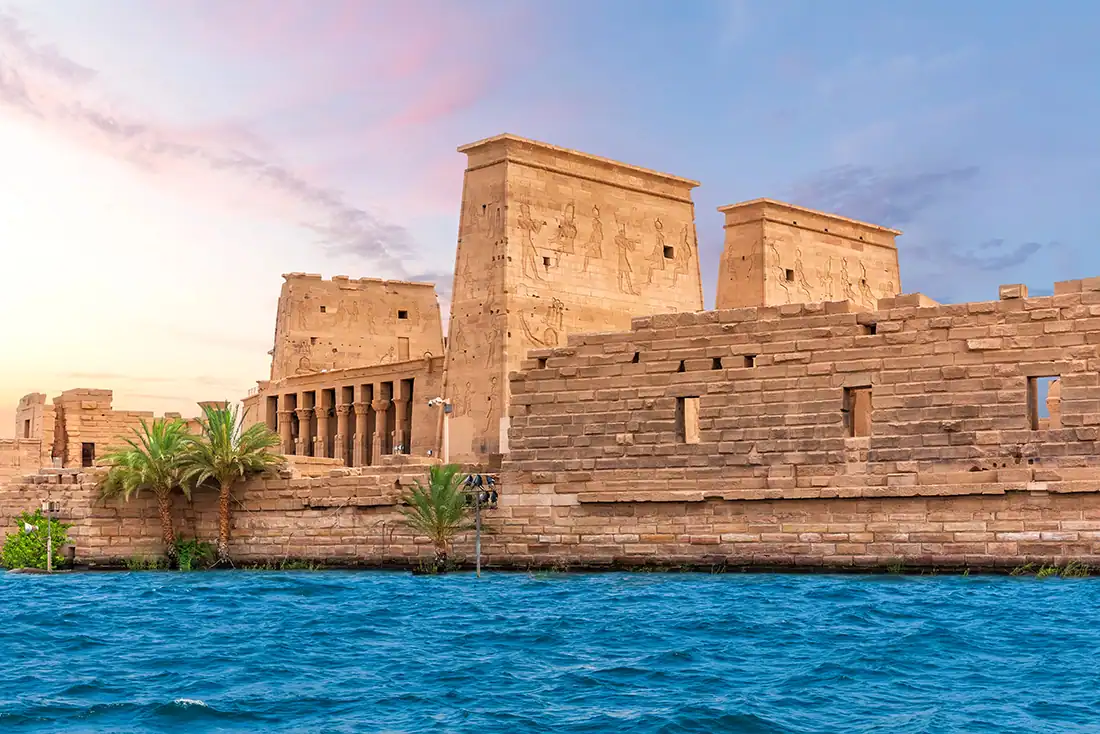
Today, the city is protected by the Aswan High Dam, which, when created, formed Lake Nasser to its south, closer to the Sudan border. Between the dam and Aswan lies the Philae Temple, relocated to the island of Agilkia from where it was initially built.
Aswan is home to the Nubian people, with brightly painted homes, traditional music, customs and dance and warm hospitality, contrasting with massive stone monuments. Many were forced to relocate with the building of the Aswan High Dam and the creation of Lake Nasser.
Elephantine Island is in the Nile River at the northern end of the First Cataract (or rapids). Here, one of the largest and longest research projects is being conducted by the German Archeological Institute (Deutsches Archäologisches Institut).
Aswan’s ancient monuments, Egyptian antiquities, historic museums, ruins and artifacts are a driving force in the economy. Revenues from conservation works help fuel more projects.
Nature lovers have ample opportunities to enjoy in and around greater Aswan. Residents can fish for the largest freshwater fish, the Nile perch, or go kayaking or participate in biking sports. Aswan has the unique distinction of being on migratory routes for animals and birds; as such, birdwatching is a popular activity.
Two reserves are located nearby: Wadi Allaqi Biosphere Reserve, National Parks in Africa, southeast of Aswan, and Saluga and Ghazal Reserve; it is situated on islands north of Aswan.
In Aswan, past and present comfortably co-exist.
What to See
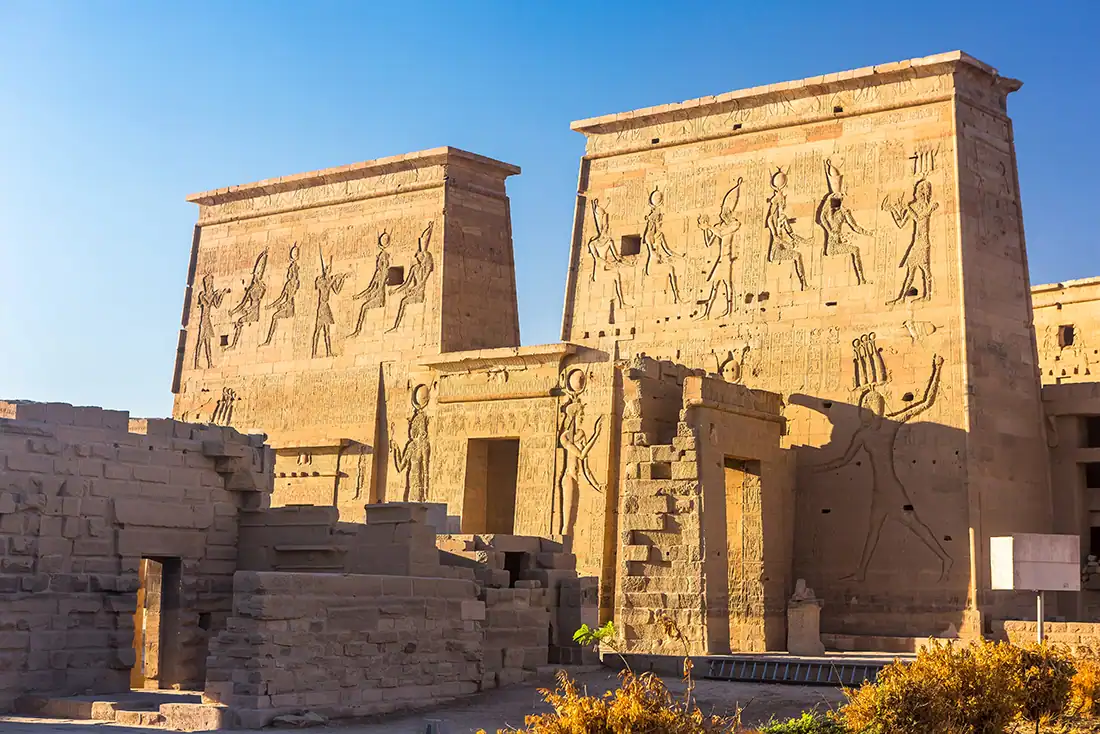
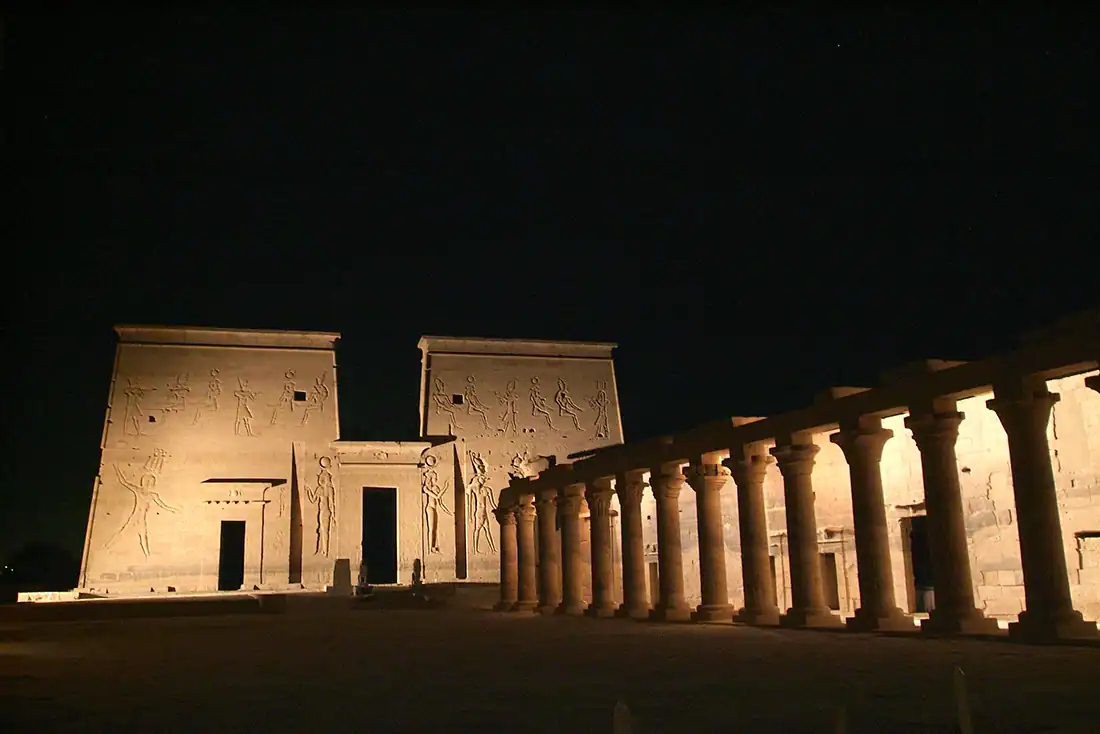
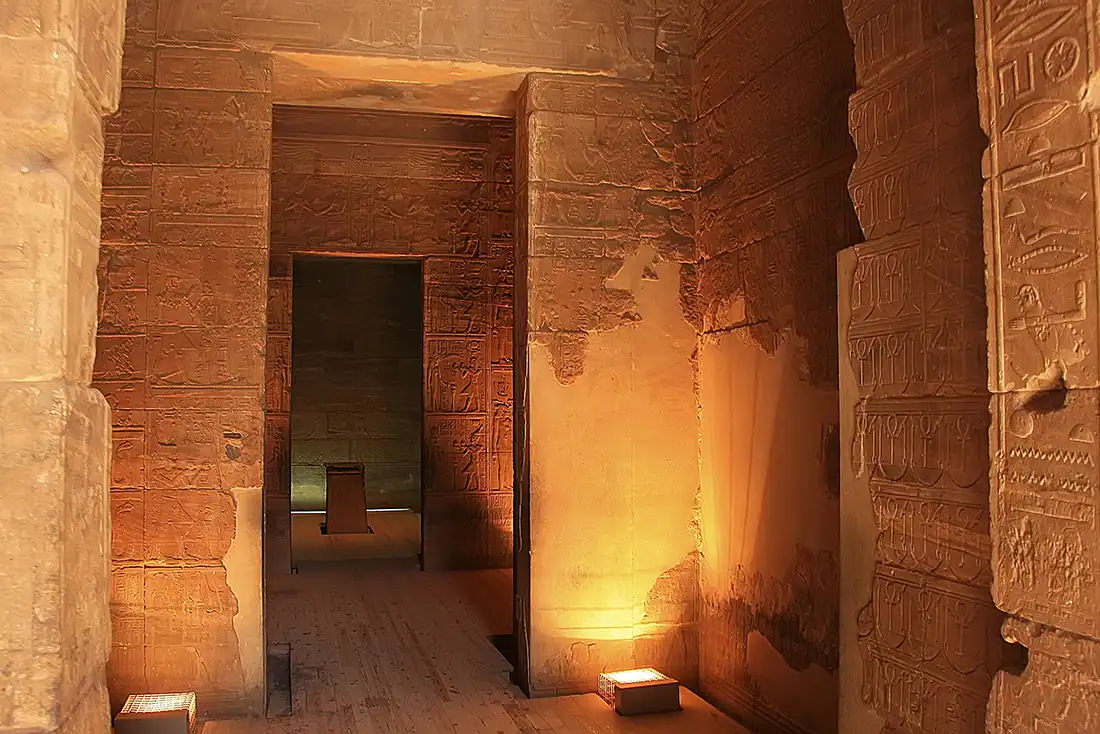
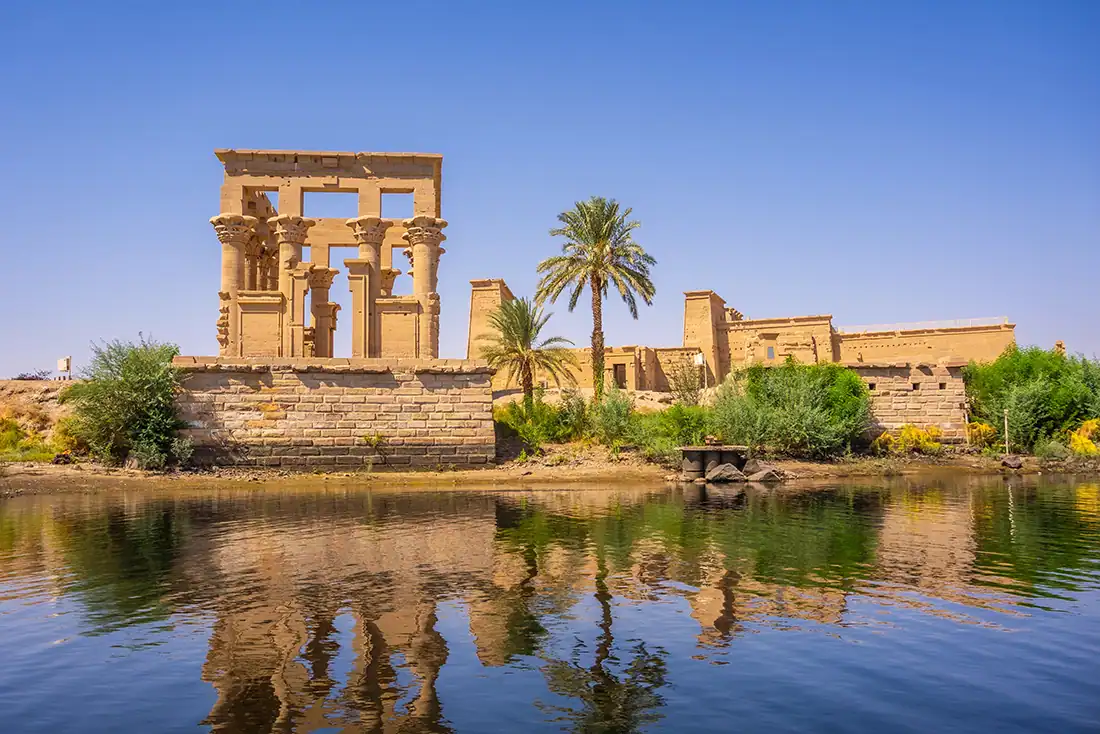
Philae Temple, a UNESCO World Heritage Site
Philae’s location is significant, as its name is associated with the “end” or the southern border of ancient Egypt. The site originally hosted smaller shrines as early as the 7th century BCE, but the majority of the temple complex was constructed during the Ptolemaic period (circa 380–30 BCE) and continued into the Roman era (up to the 3rd century CE).
The temple is primarily dedicated to Isis, the goddess of magic, healing, and protection. According to myth, Isis protected her husband Osiris, the god of fertility and the afterlife, after he was murdered by his brother Set, the god of chaos. Isis is also associated with Horus, her son, and Hathor, among other deities, who are honored in various sanctuaries throughout the complex.
Because it was built over several centuries under different rulers, the temple reflects a blend of artistic and architectural styles, combining traditional Egyptian reliefs with Hellenistic influences introduced during Ptolemaic and Roman rule. Later, during the spread of Christianity in Egypt, some reliefs and spaces were adapted or repurposed to reflect new religious uses.
Key architectural features include:
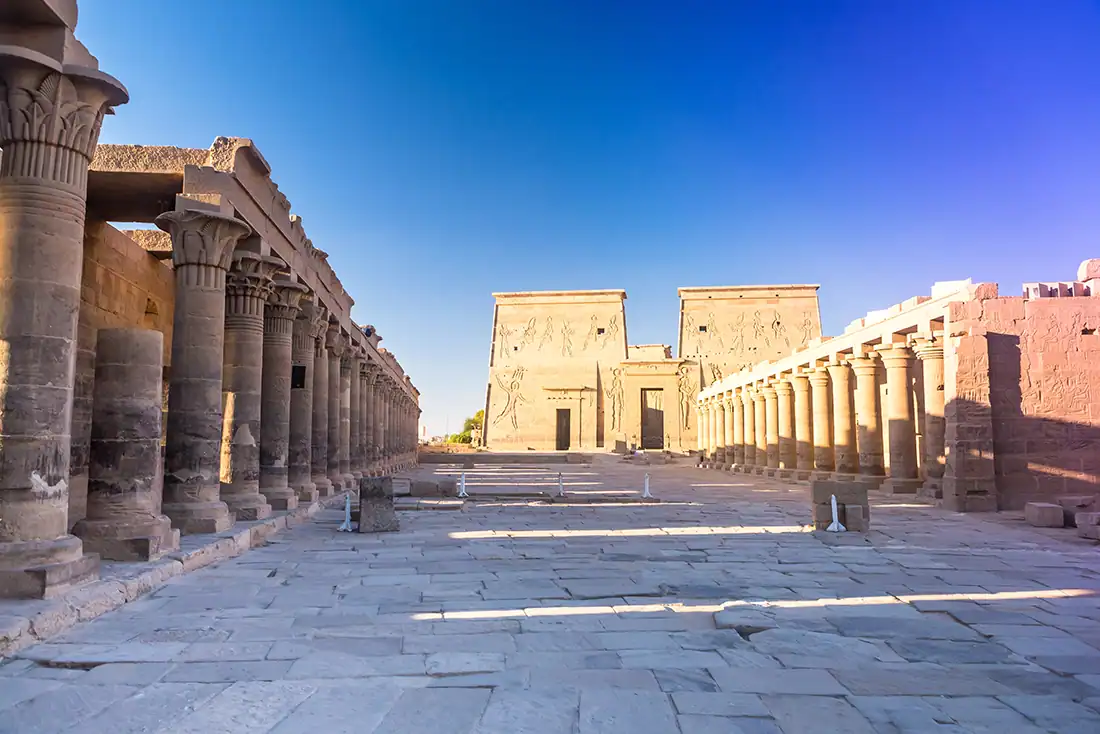
- The First Pylon: The grand entrance, decorated with reliefs of Ptolemaic kings in the presence of gods.
- The Courtyard: Surrounded by a colonnade, leading visitors deeper into the temple.
- The Second Pylon: Marking the transition to the inner sanctuary, featuring intricate carvings.
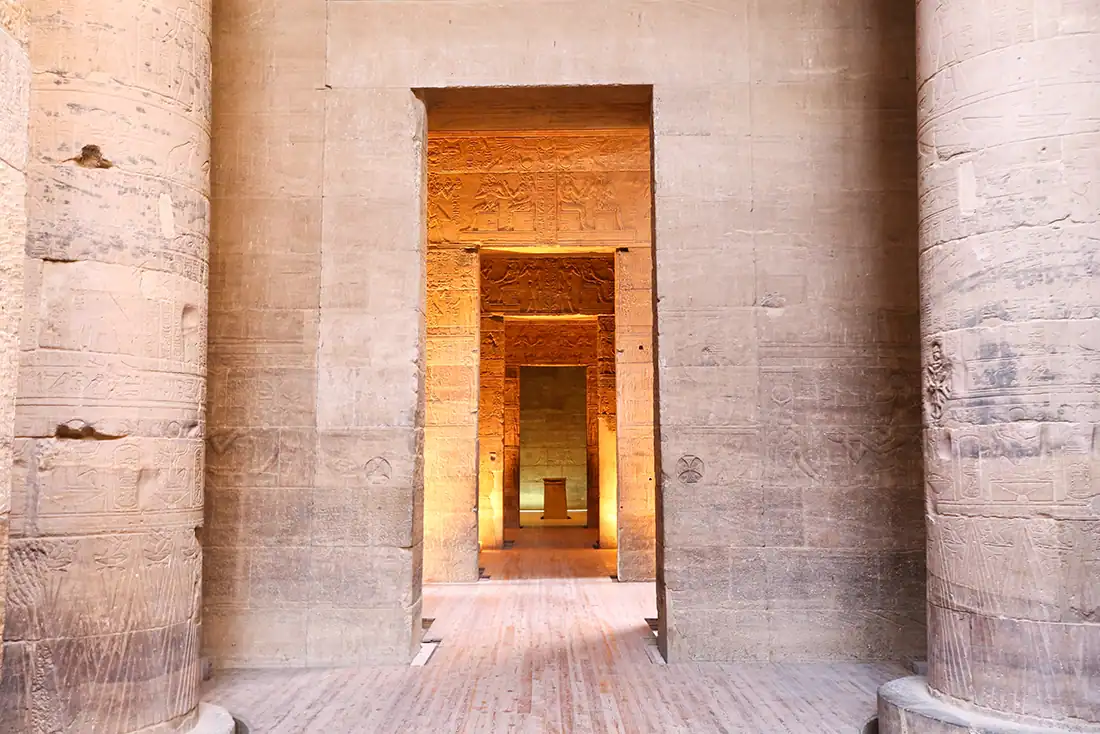
- The Hypostyle Hall: Notable for its columns adorned with papyrus and lotus motifs.
Before the construction of the Aswan High Dam in the 1960s, Philae Temple faced flooding from the newly formed Lake Nasser. In a monumental preservation effort, the temple was carefully dismantled and relocated to the nearby island of Agilkia, where it remains today.
Over time, Philae has functioned as a religious sanctuary, a marketplace, and even a site for diplomatic gatherings, reflecting its enduring importance in Egyptian history and culture.

Aswan High Dam
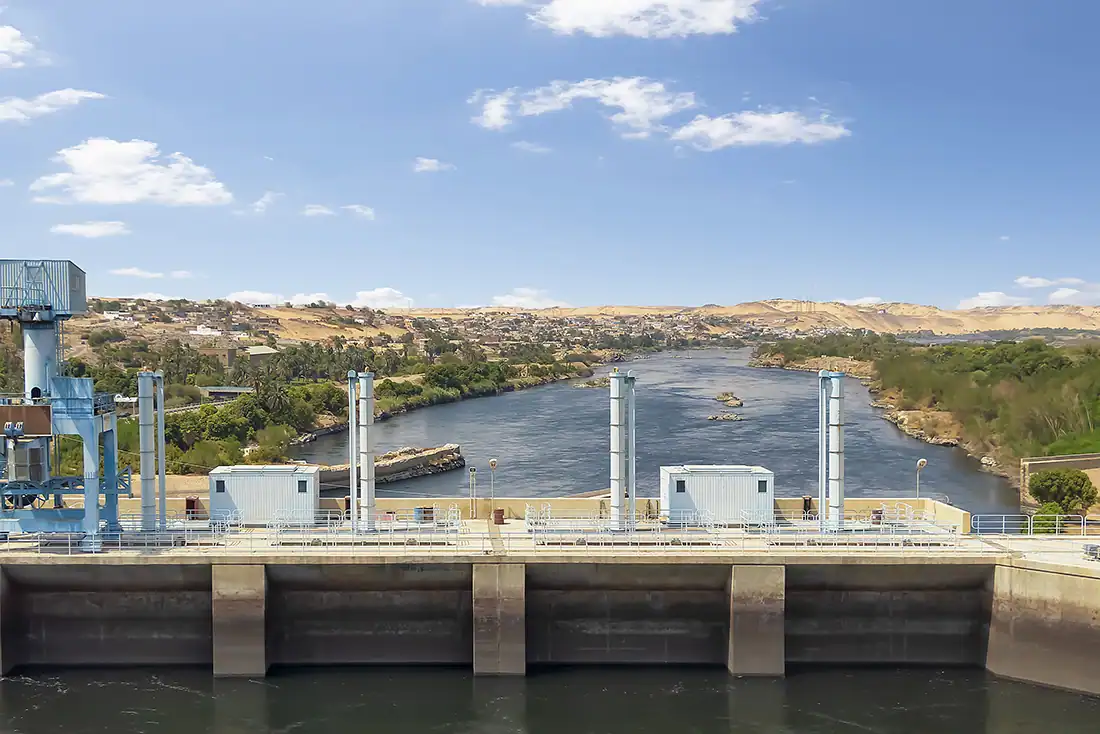
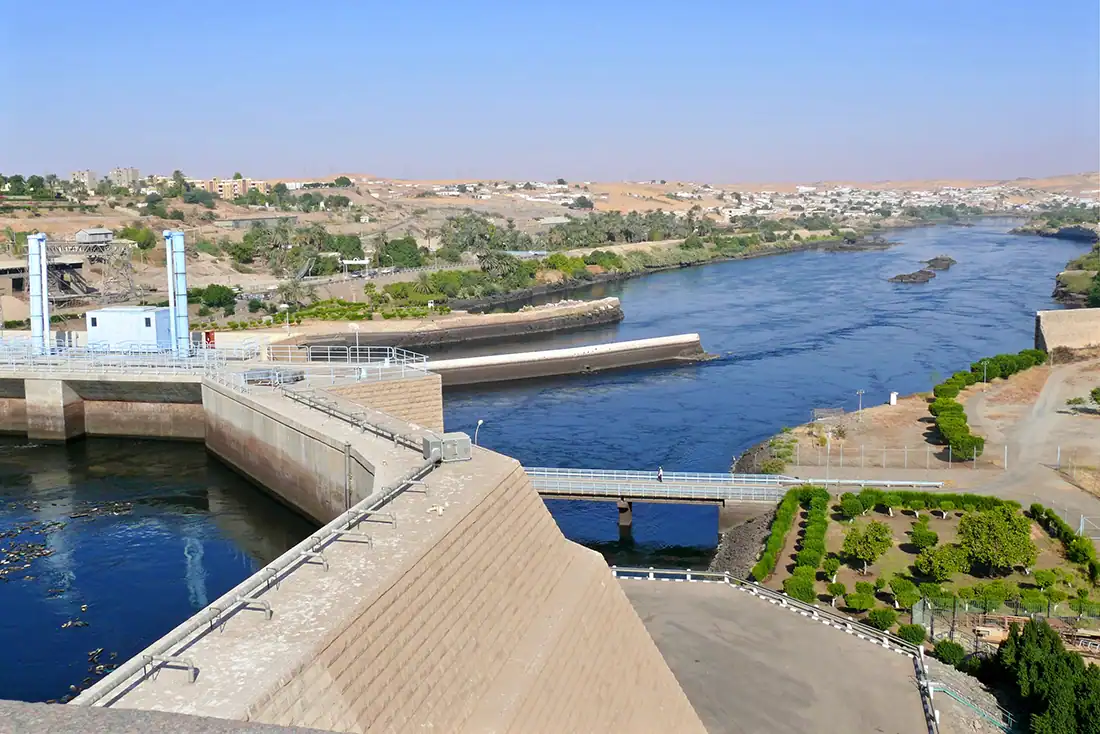
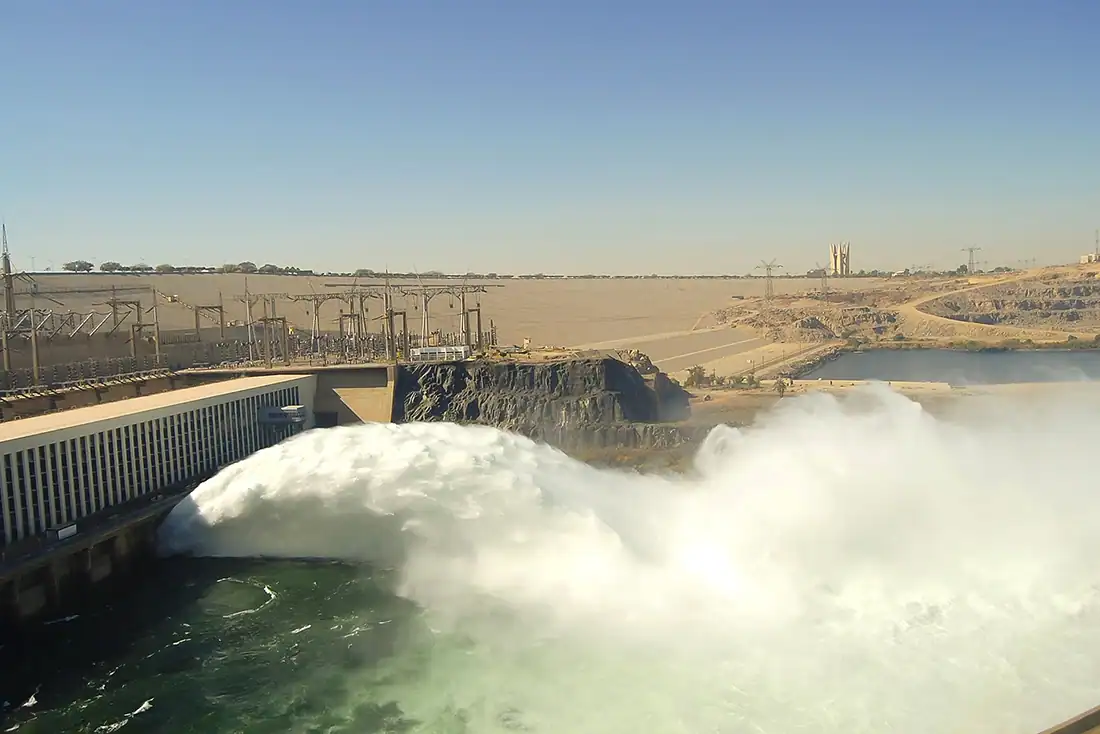
As with many rivers, flooding can be both a blessing and a challenge. The Nile River is no exception. Between 1960 and 1970, the Aswan High Dam was constructed at the southern end of the Nile under President Gamal Abdel Nasser, following decades of planning and debate.
The dam was designed to provide hydroelectric power, control annual flooding, and improve agricultural output. However, the project came with significant social and environmental costs. Nubian communities in Egypt and Sudan were relocated from their ancestral lands, profoundly affecting their culture and livelihoods. Seasonal flooding that once deposited fertile silt downstream was disrupted, reducing soil fertility and altering river ecosystems. This has increased reliance on fertilizers in modern agriculture.
The construction of the dam also required the careful relocation of the Temple of Abu Simbel to save it from the rising waters. The resulting reservoir, Lake Nasser, is one of the largest man-made lakes in the world. The dam measures approximately 2.4 miles (3,830 metes) long, 0.6 miles (980 meters) wide at its base, and 364 feet (111 meters) tall.
More than 50 years later, the Aswan High Dam remains a testament to human engineering—but also a source of ongoing debate about the balance between development, culture, and the environment.