Cairo

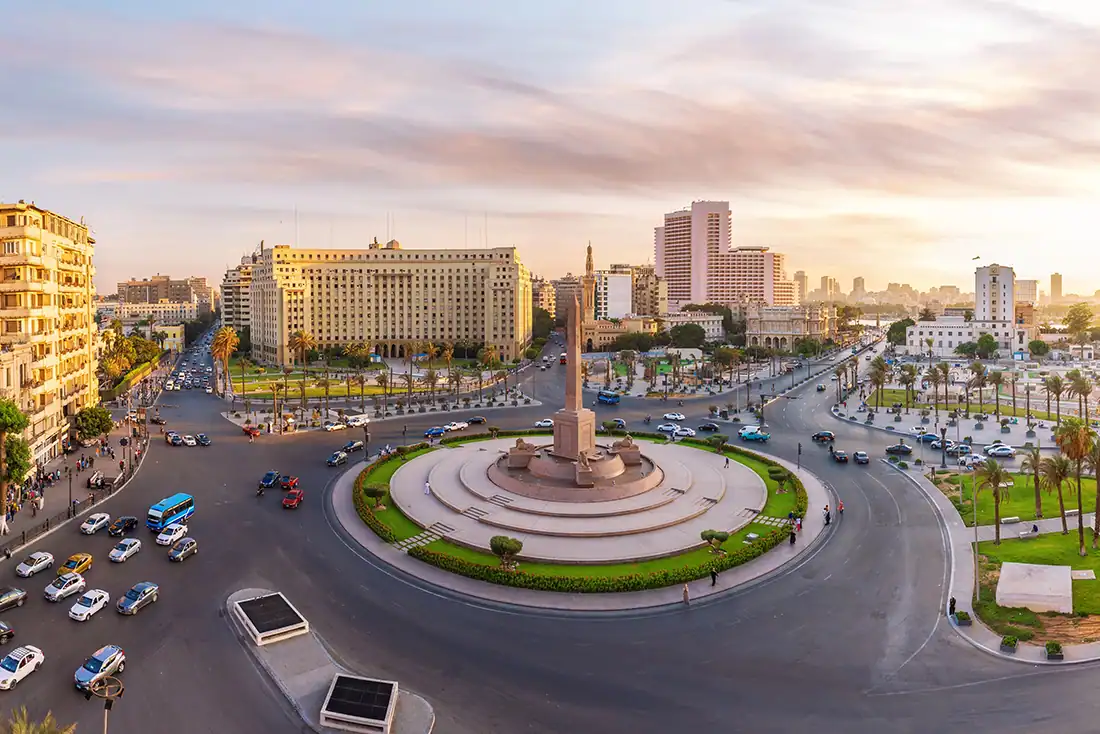
Cairo is the largest city in Egypt, a country home to one of the oldest civilizations in the world. Multiple ruling dynasties, wars, invasions and colonialism have shaped its history and culture. Today, it is a unique blend of many different languages and people.
We offer one and two-day Cairo packages, which can easily be added as a pre or post tour to the Luxor to Aswan river cruise. Tours can be customized and arranged for any day of the week. A typical two-day Cairo tour:
DAY ONE – Citadel of Saladin, Coptic Cairo and an evening Nile River cruise
DAY TWO – Pyramids of Giza, The Grand Egyptian Museum (GEM) and Sakkara/Saqqara Necropolis
What to See
The Pyramids of Giza
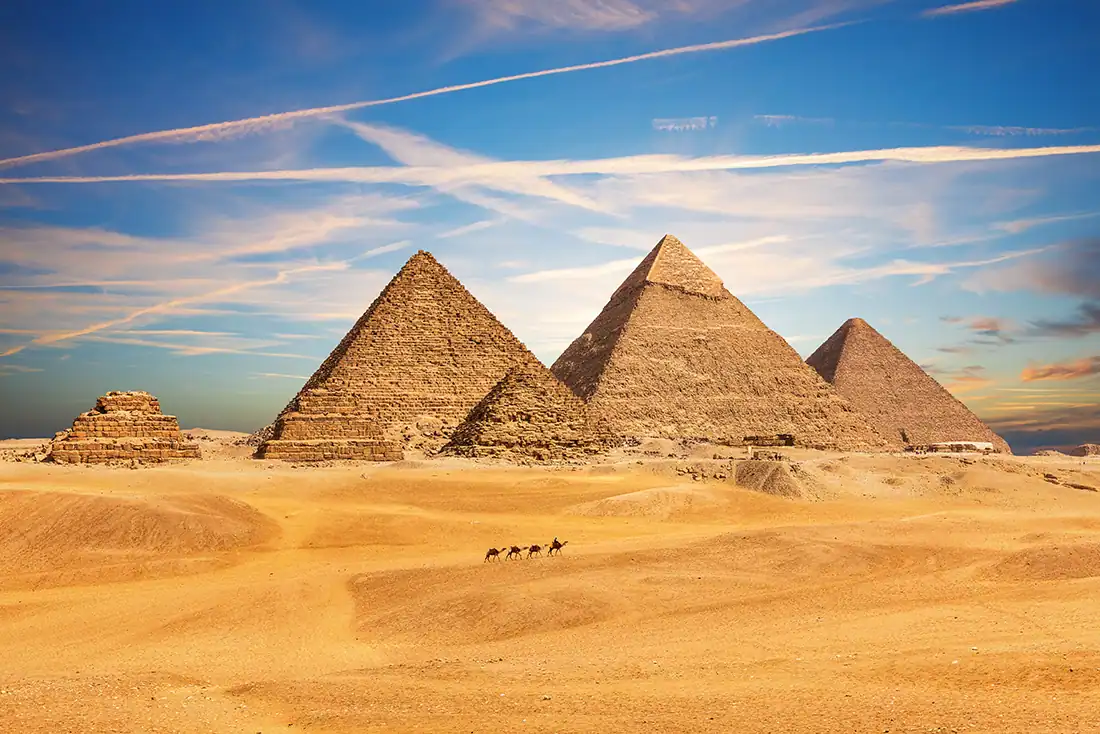
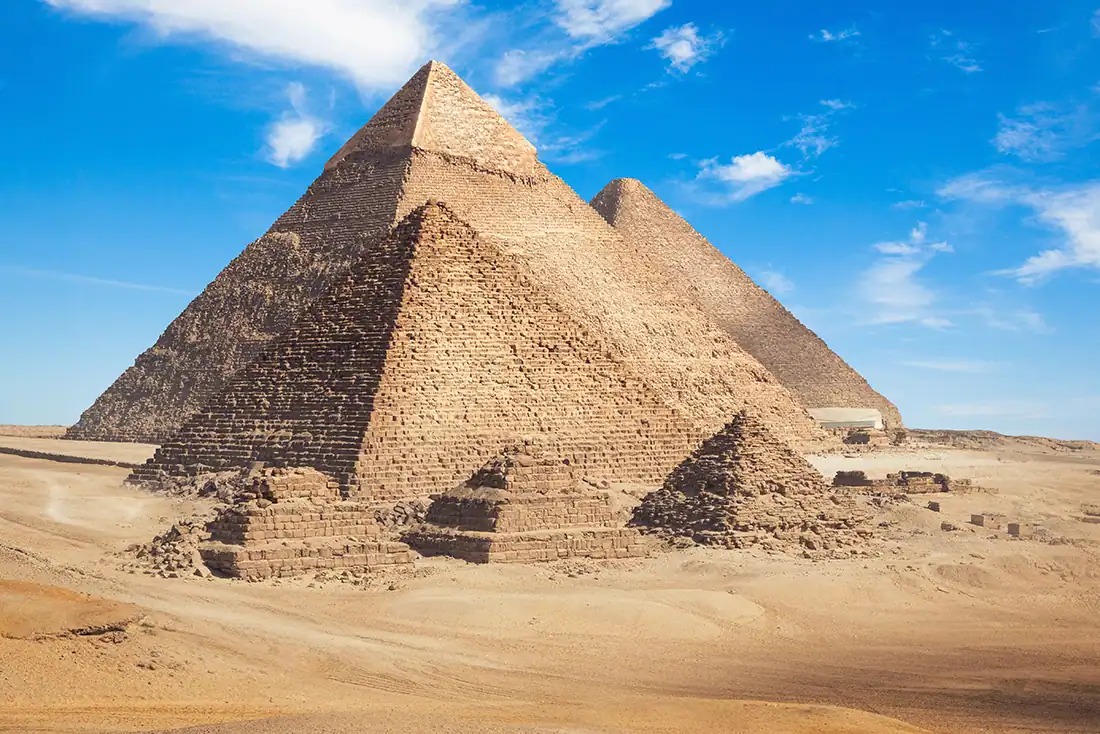
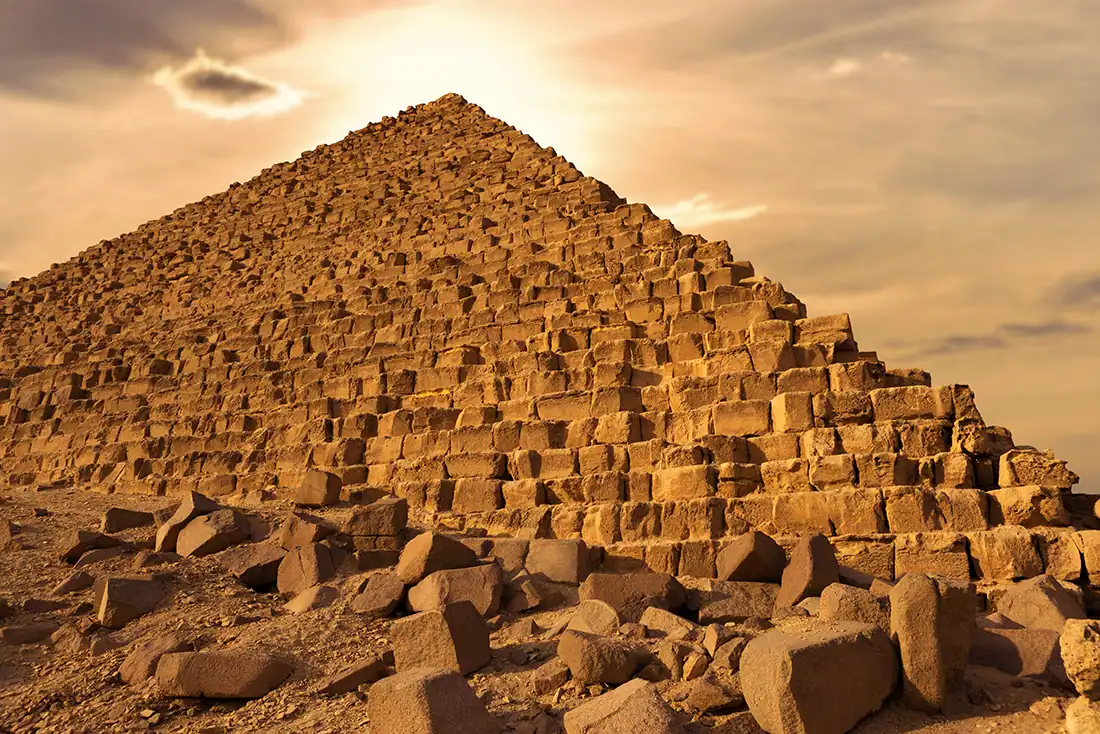
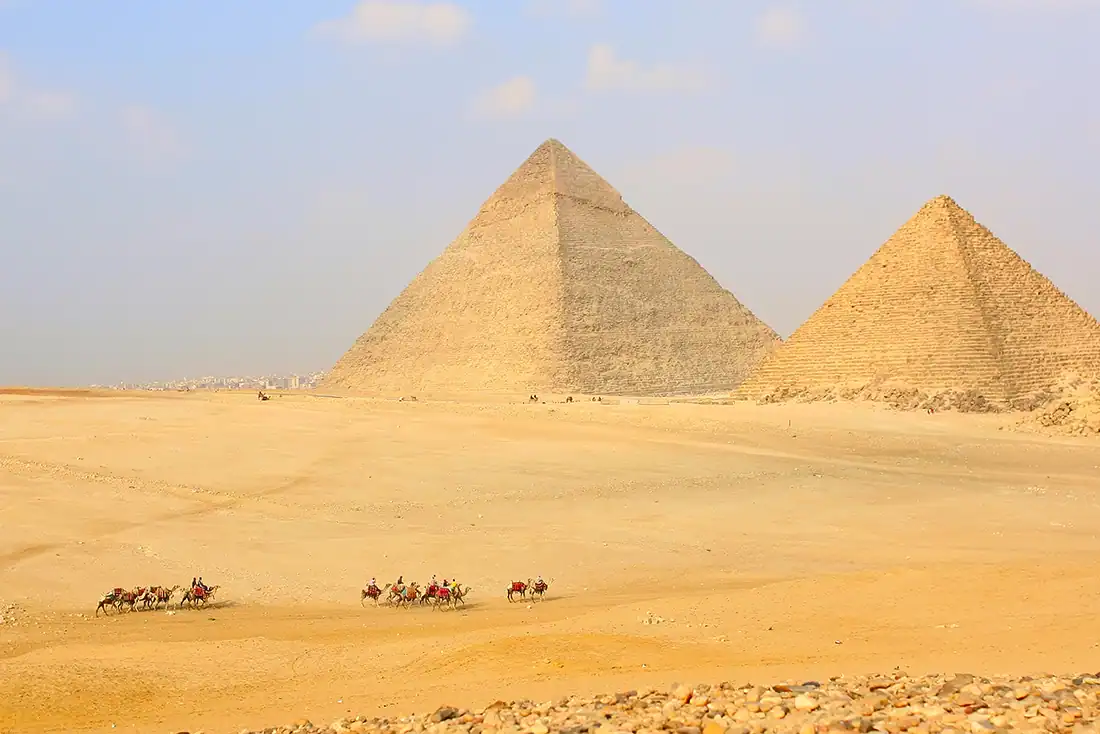
Located southwest of Cairo, the complex showcases multiple pyramids. The first built was the largest at 455 feet (139 m) and is known as the Great Pyramid, Pyramid of Khufu, or Pyramid of Cheops, and it is the only surviving Seven Wonder of the Ancient World.
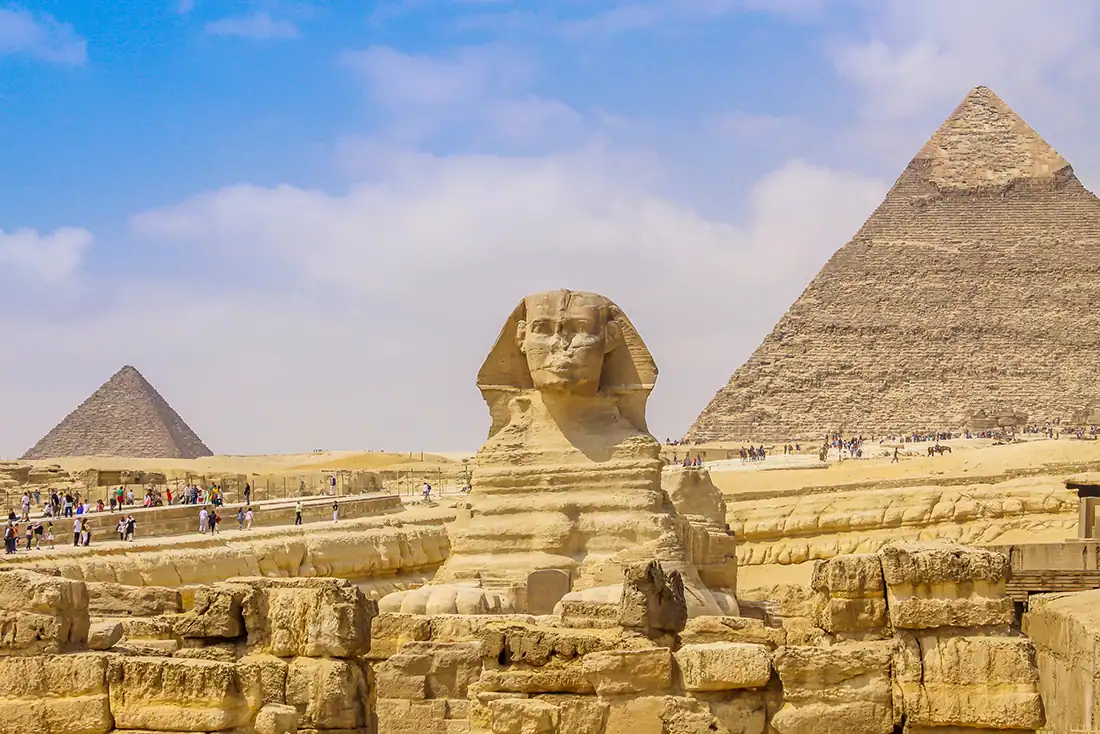
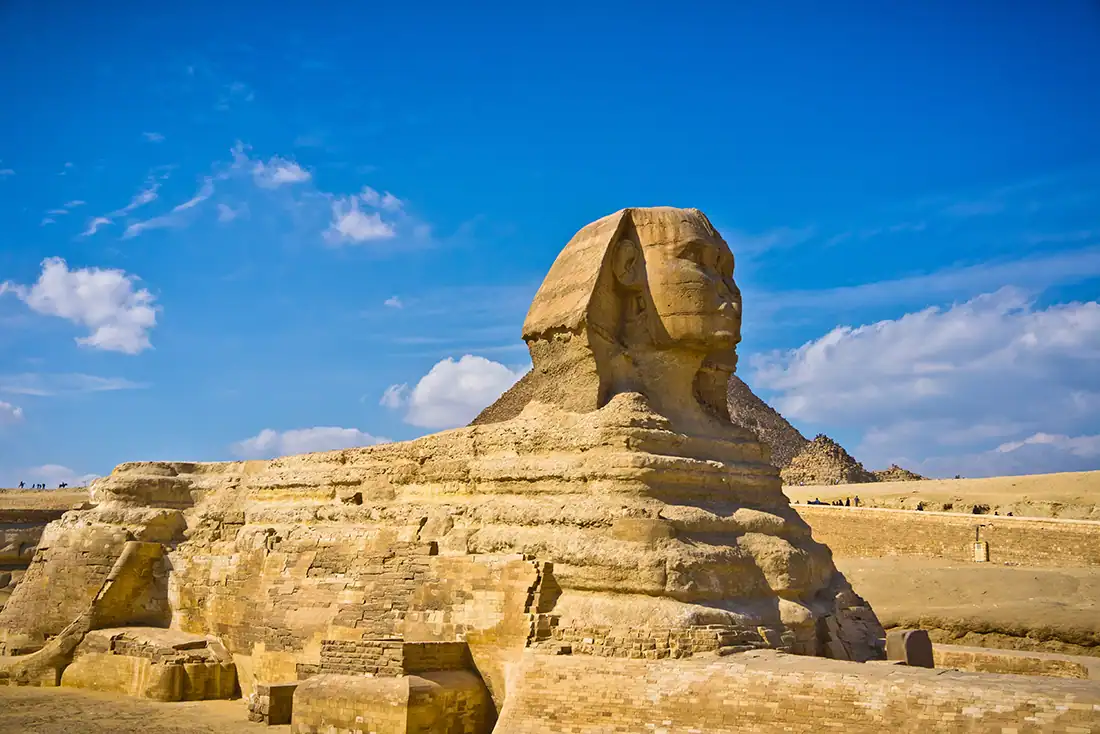
Bearing the name of Khufu’s son is the Pyramid of Khafre, associated with the iconic Sphinx, believed to guard the royal necropolis. The smaller structure is the Pyramid of Menkaure. The pyramids were designed as burial grounds for the kings and their possessions, preserving their legacies for eternity.
While the Pyramids of Giza are a spectacular attraction during daytime hours, the evening sound-and-light show offers another dimension to this ancient wonder. Visitors travel back in time as the Sphinx narrates the story of pharaohs, guarding their tombs and dynasties for millennia. Camel rides can also be arranged for a unique perspective of the pyramids and surrounding desert landscapes.
Part entertainment, part history lesson, the show highlights King Khufu, who built the Great Pyramid; King Khafre, his son, associated with the Sphinx; and King Menkaure, who oversaw the creation of the smaller pyramid. Guests leave with a deeper sense of the mysteries and secrets these monuments continue to reveal, as uncovered by archaeologists.
Shows are offered each evening, weather permitting. Visitors can select from standard and VIP seats, and the narration is available in 10 languages.

The Grand Egyptian Museum (GEM)
Officially fully opening in November 2025 but open now on a smaller scale, the Grand Egyptian Museum is located 1.2 miles (2km) from the Giza Pyramid Complex and occupies a massive, five-million-plus square feet (4,645,152 m2) facility.
It is an archaeological and national museum that houses the most valuable Egyptian artifacts from the Predynastic Period to Coptic Egypt, spanning 5,000 years, and many will be on public display for the first time. Over 13,000 artifacts will be arranged by time period (c.3100 BCE to 400 BCE).
Highlights include: carved reliefs, objects of everyday life, artifacts from Tutankhamun’s tomb, including the iconic gold mask, colossal statues of Ramses II, objects of Queen Hatshepsut, mummies, and jewelry.
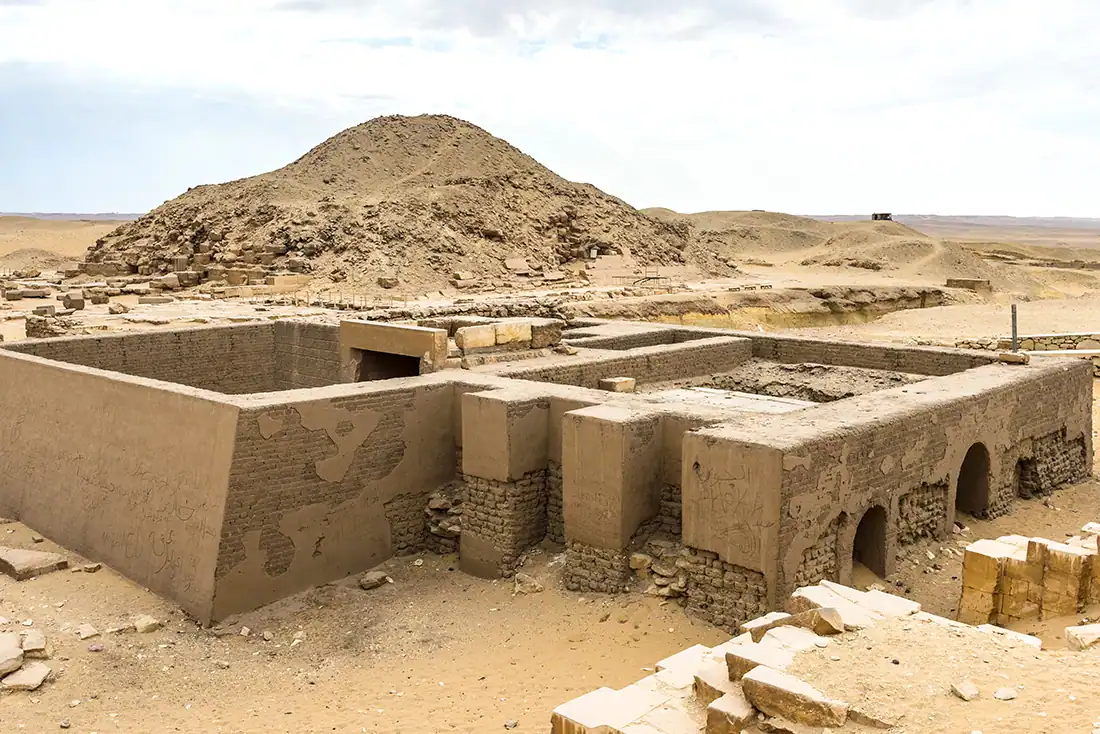
Sakkara/Saqqara Necropolis
This historic site is home to the Djoser Step Pyramid, the first pyramid built by the ancient Egyptians and the oldest known ancient stone structure.
Citadel of Saladin
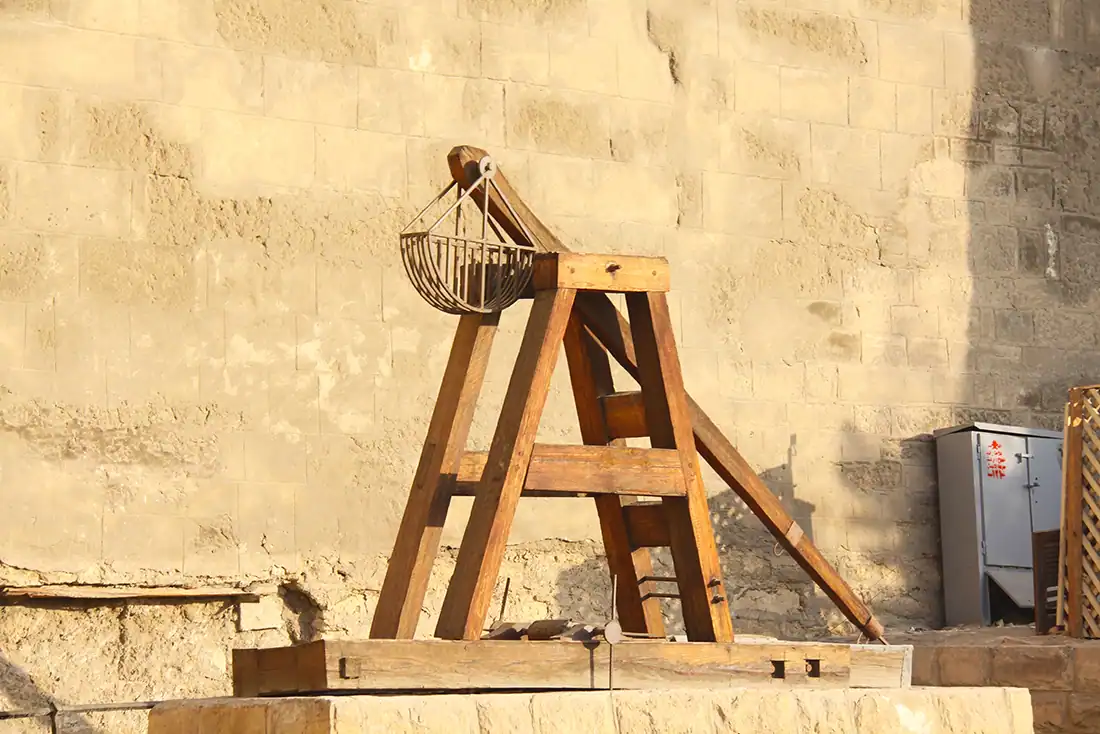
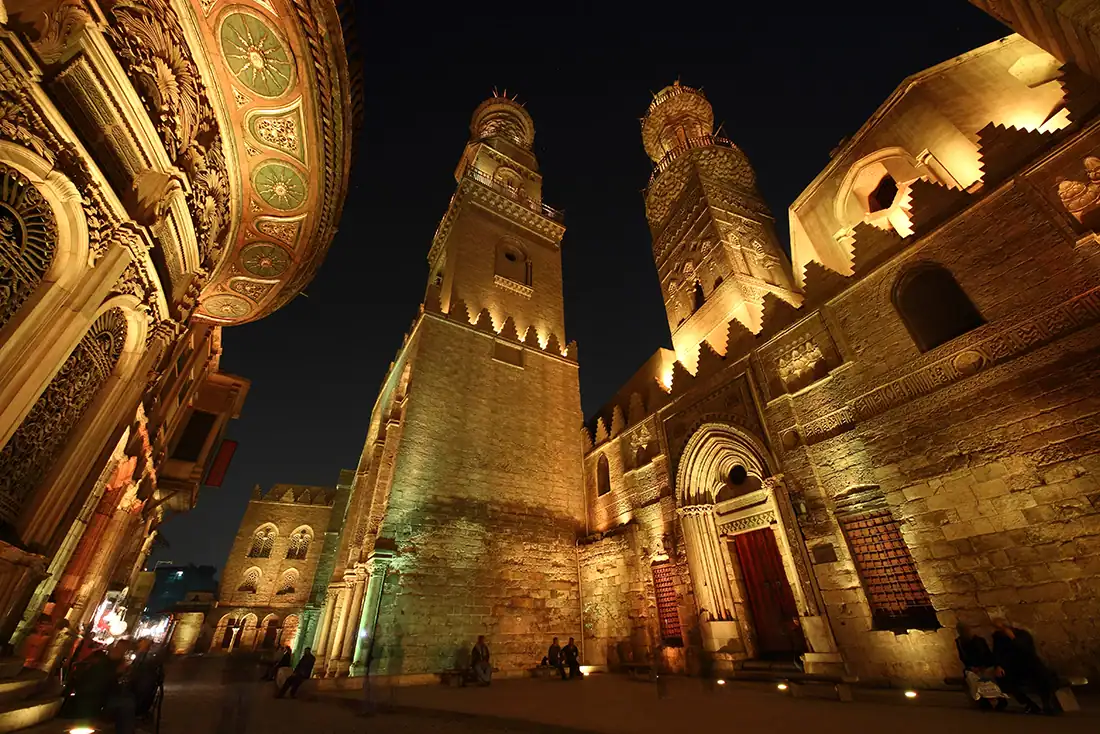
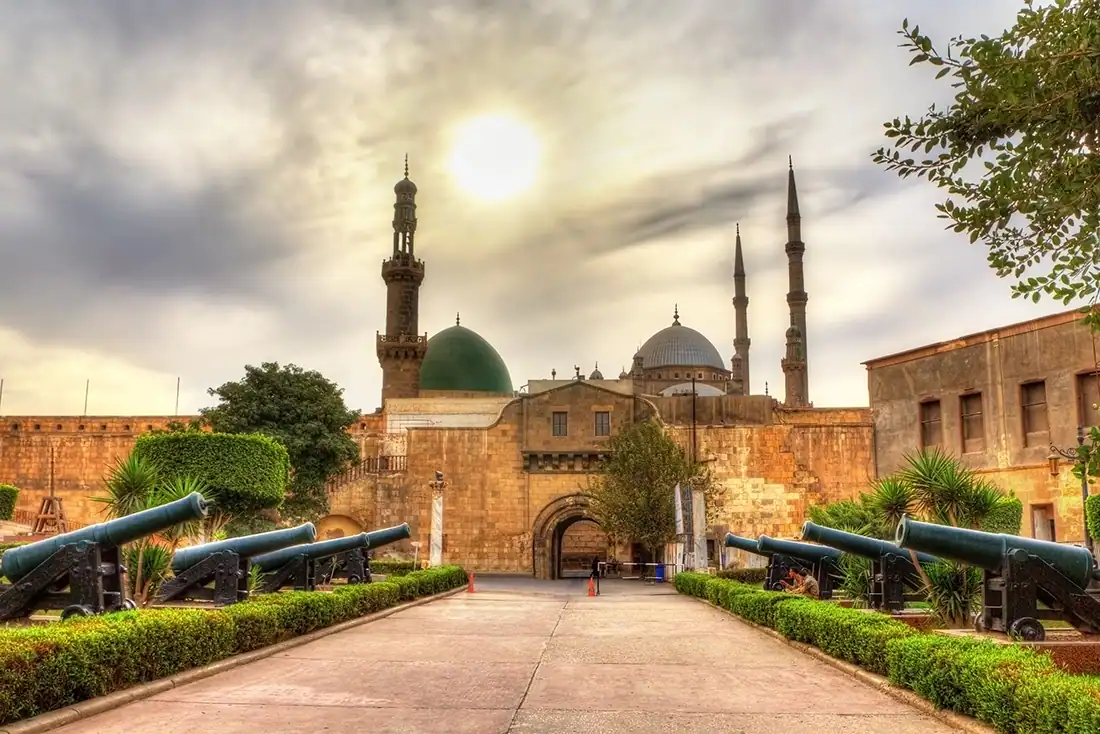
The Citadel, a fortress dating back to the Middle Ages, offers visitors a 360º view of the city. The impressive Islamic architecture served as the backdrop for the many rulers who resided here in earlier times. Discover museums and monuments added over the years, including the Mosque of Muhammad Ali Pasha.
Coptic Cairo
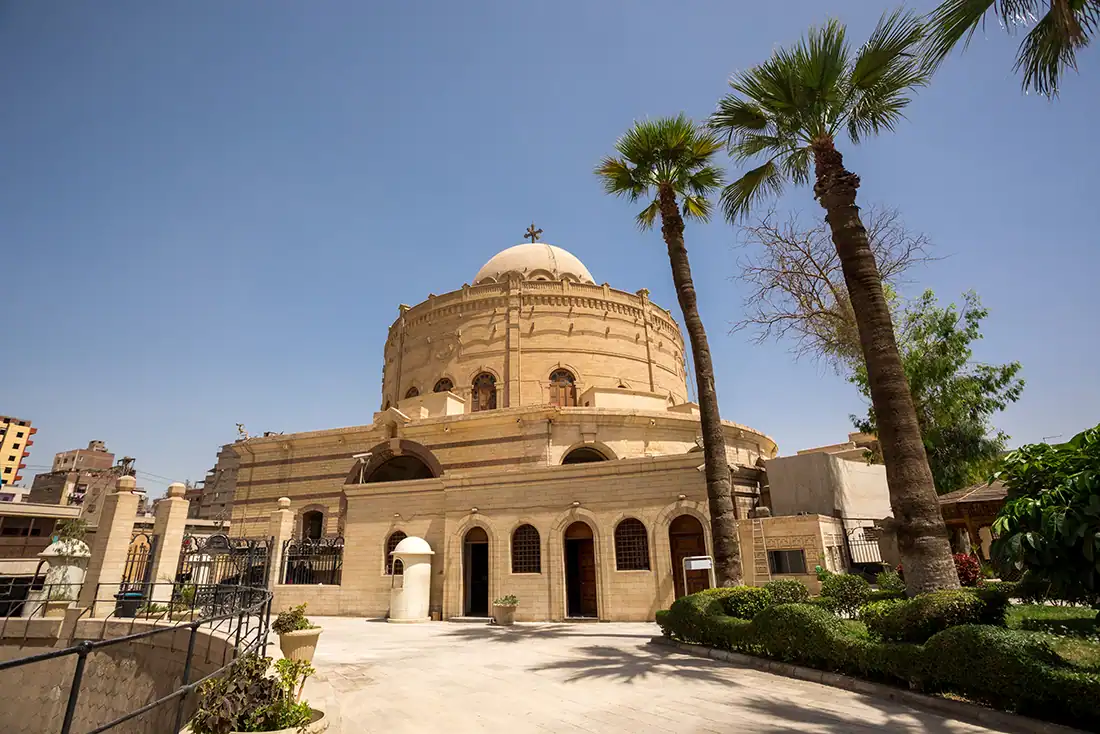
Travel to Old Cairo to explore the Coptic (or Egyptian) language, dating back to ancient times. The Babylon Fortress, built by the Romans, is near the Coptic Christian’s Hanging Church, built atop its gatehouse. Magnificent mosaics and architectural elements depict scenes from the life of Jesus, sharing historical events. Old Cairo is also home to Islamic mosques and a Jewish synagogue.
Al-Azhar Park
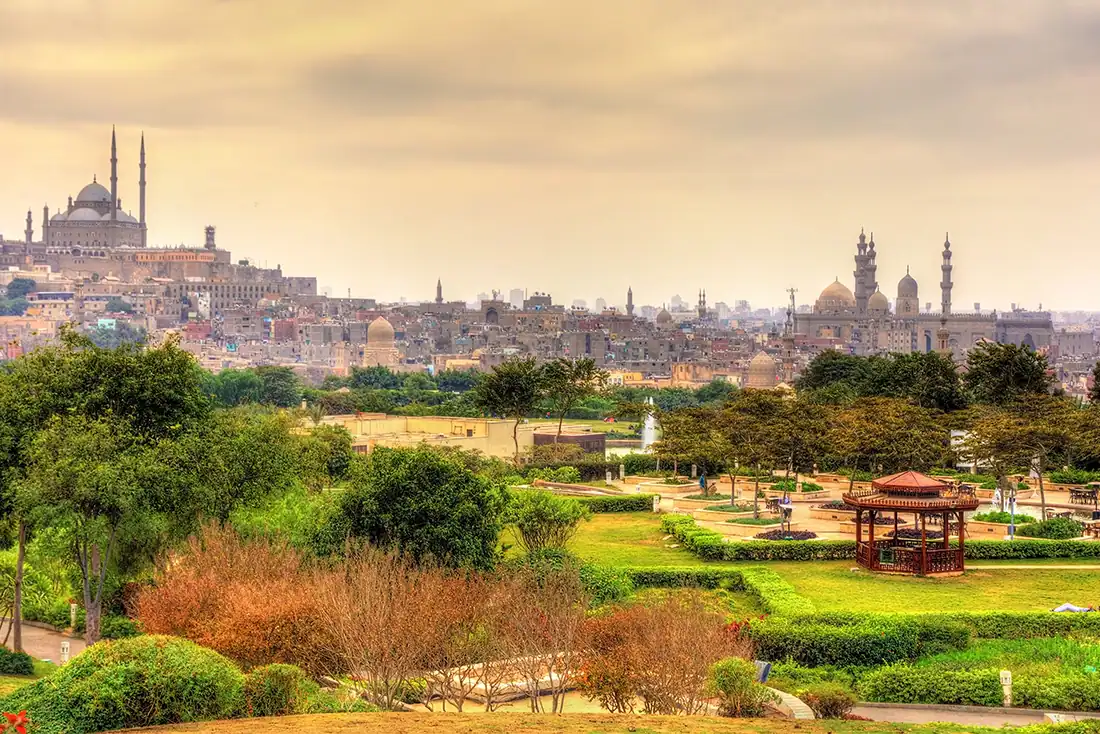
The Al Azhar Park, a 74-acre (30-hectare), lushly landscaped multi-use green space, was once a garbage dump. Learn about its transformation and the role it plays in the city’s effort to fight climate change. Enjoy lunch at one of the park’s restaurants.
Baron Empain Palace
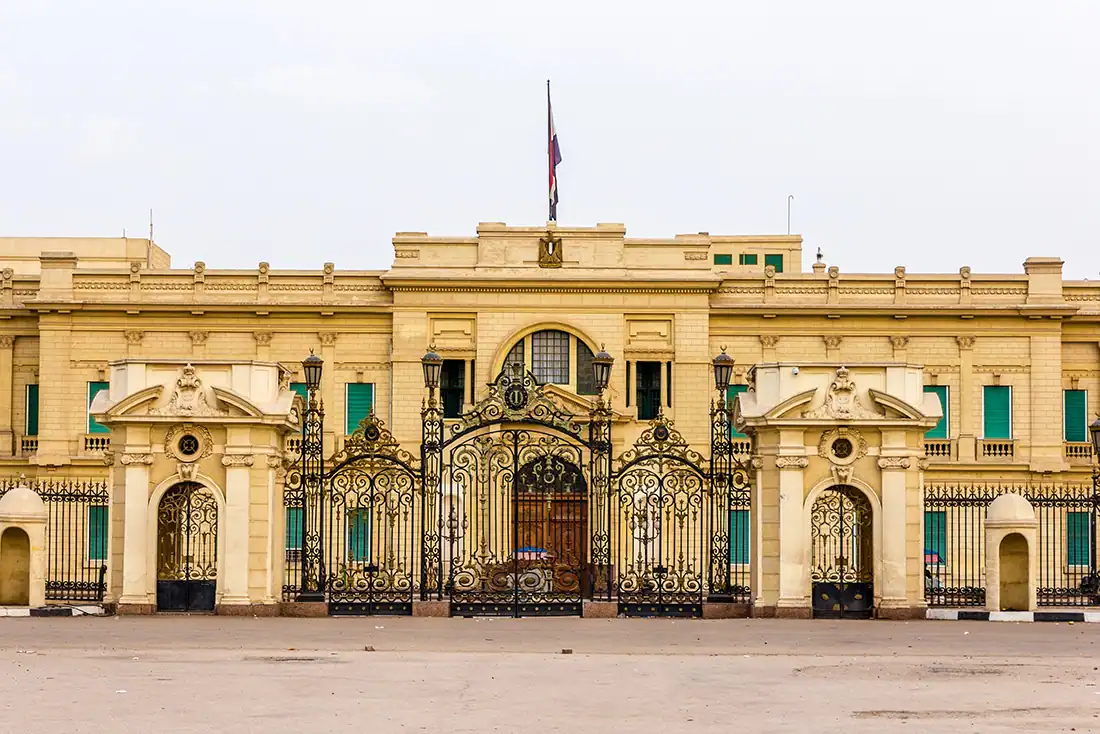
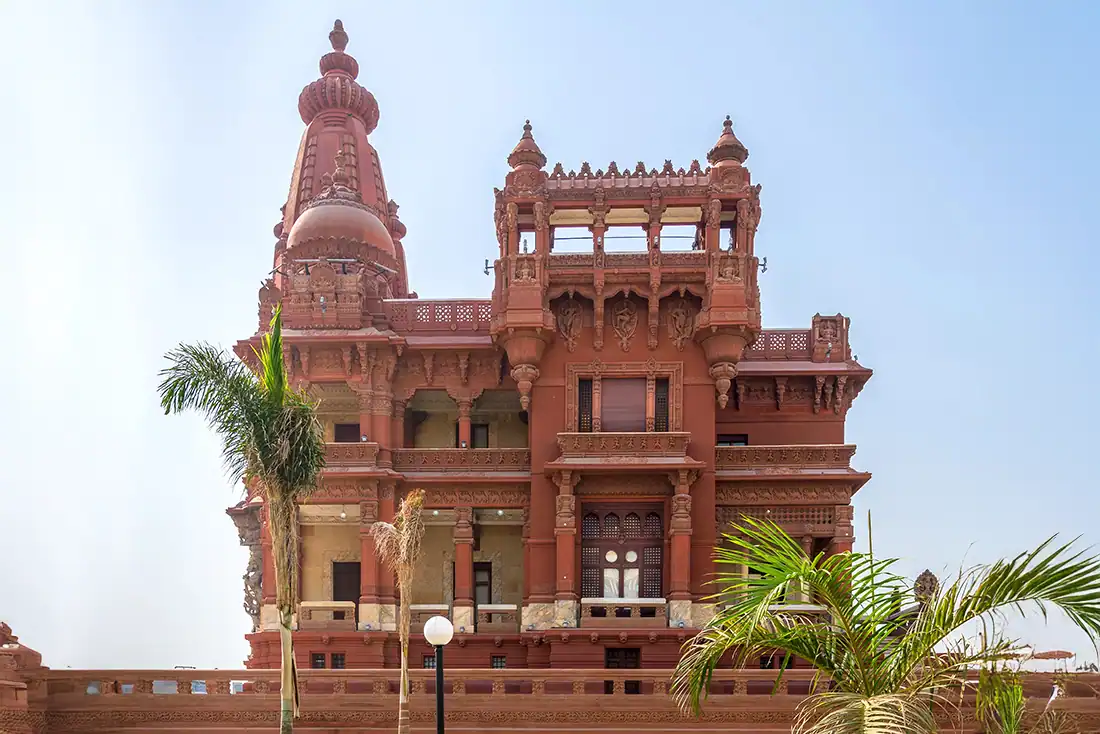
Hindu temples inspired the opulent home’s design. Electric power companies were the source of his wealth. Around the turn of the last century, Baron Empain is credited with building Cairo’s tram system. Many symbolic sculptures and icons are featured at the palace.
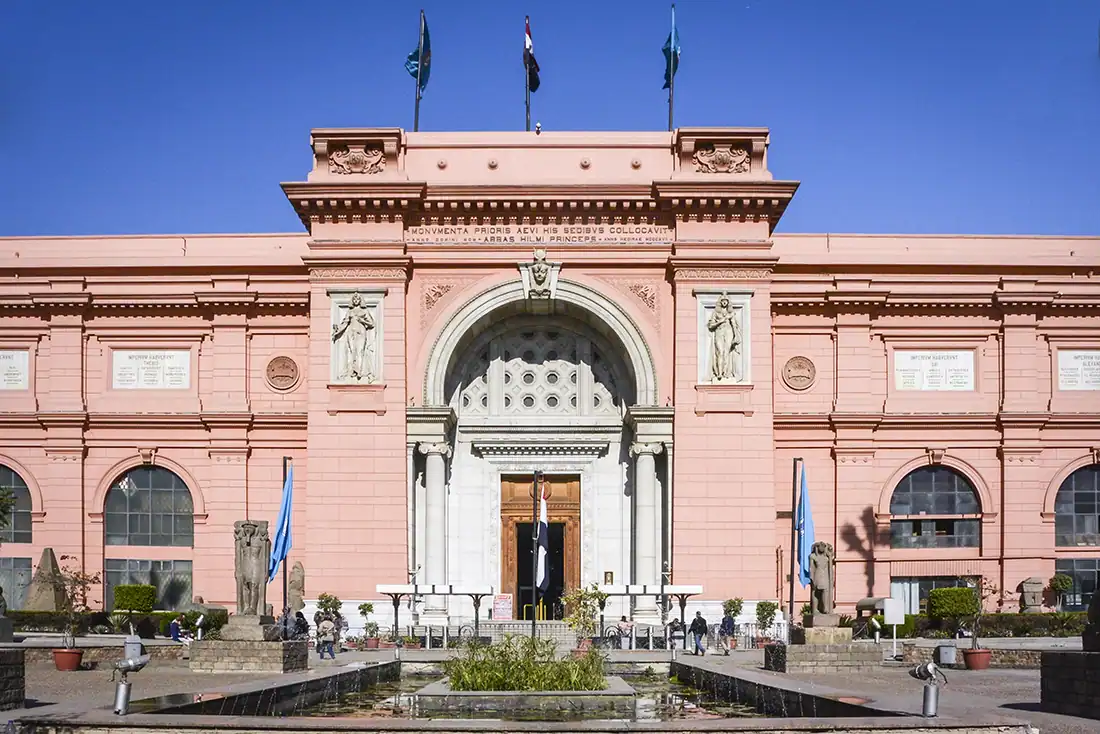
The Egyptian Museum
The museum showcases more than 100,000 Egyptian antiquities, such as papyrus, coins, mummies.
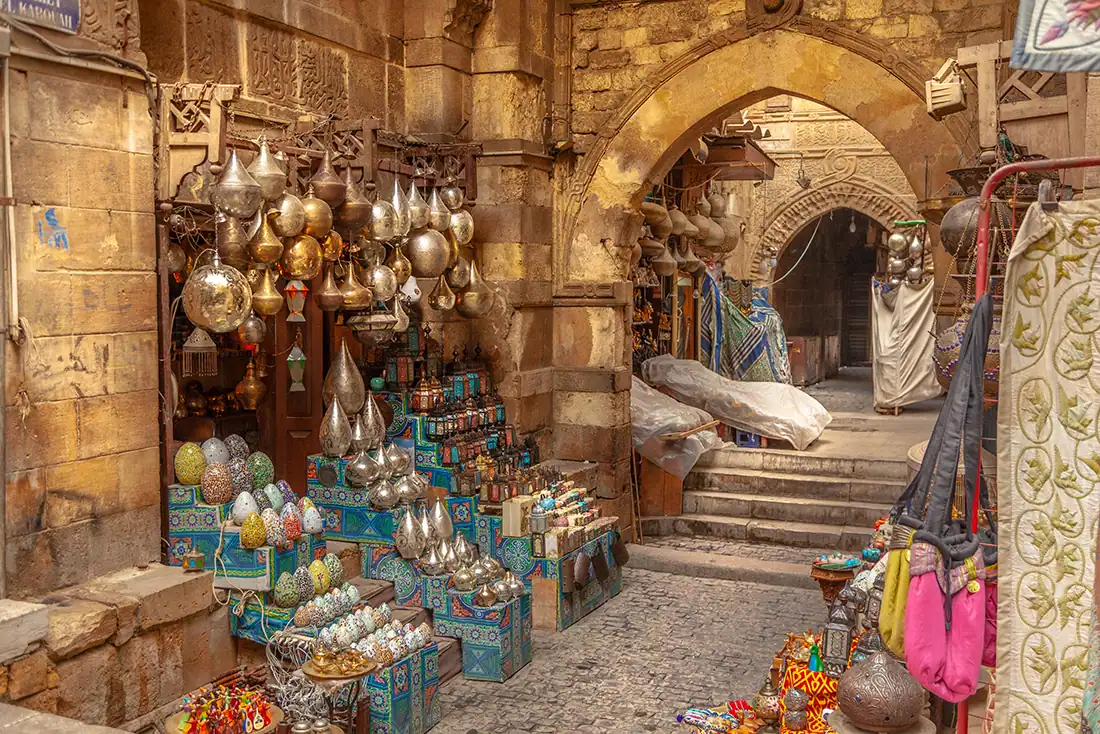
Khan el-Khalili bazaar
A special treat is a dinner at Naguib Mahfouz at the Khan el-Khalili bazaar. The marketplace with cobblestone alleyways is filled with shop owners selling anything imaginable – souvenirs, jewelry and decorative objects. The smell of spices permeates the air, inviting you to experience traditional dishes.
Memphis or Mit Rahina Museum, a UNESCO World Heritage site, features over 3,000 years of ancient history, including the Temple of the ka of Ptah.
The Mosque-Madrassa of Sultan Hassan
Built in 1357 by the sultan whose family then ruled Egypt, he was assassinated before completing his namesake mosque. It is reputed to be the most significant Islamic building globally. The Mamuk-era architecture is representative of the ruling power. The details are exceptional, with the patterned mosaic-paved courtyard serving as one of many examples.